


Jatiluwih Rice Terraces Bali – A UNESCO World Heritage Site and Stunning Green Rice Field Panorama
Jatiluwih Rice Terraces is one of the most spectacular natural attractions in Bali, famous for its breathtaking landscape of beautifully layered rice fields, traditional Balinese irrigation systems, and peaceful rural atmosphere. Located in the Penebel district of Tabanan Regency, approximately 13 km north of Tabanan town, Jatiluwih offers visitors an unforgettable opportunity to experience the natural beauty and traditional agricultural heritage of the Island of the Gods.
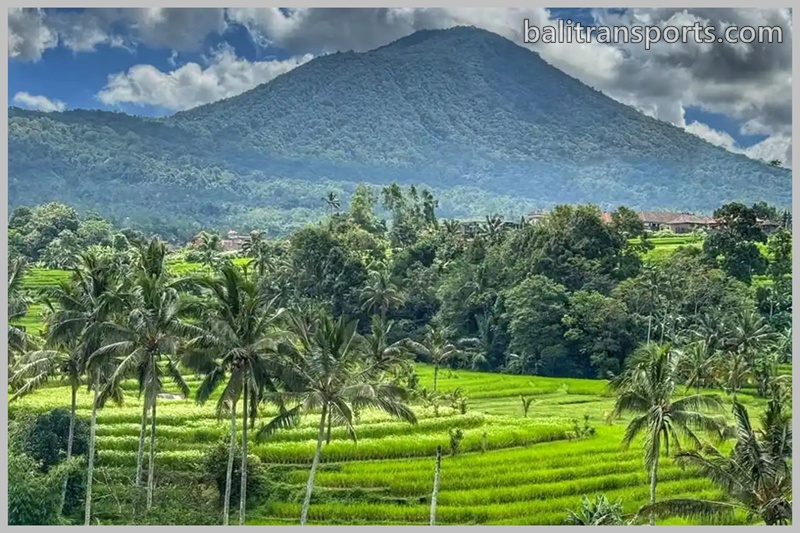
Recognized as a UNESCO World Heritage Site as part of Bali’s Cultural Landscape, Jatiluwih is particularly famous for its extensive rice terraces, which stretch across the slopes of Mount Batukaru. The panoramic scenery features countless shades of green, creating a magnificent landscape that changes throughout the year depending on the rice-growing season.
Situated approximately 700 meters above sea level, Jatiluwih enjoys a cool mountain climate, fresh air, and a relaxing atmosphere. It is an ideal destination for travelers who want to escape the busy tourist areas of southern Bali and discover the island’s authentic countryside.
The Meaning and History of Jatiluwih
The name Jatiluwih comes from two Balinese words: Jati, meaning real or genuine, and Luwih, meaning excellent, beautiful, or wonderful. Together, the name reflects the exceptional natural beauty and agricultural richness of this remarkable village.
Jatiluwih has a long history as an important agricultural area in Bali. For generations, local farmers have cultivated rice on the mountain slopes using traditional farming knowledge and irrigation techniques passed down through their ancestors.
One of the most important cultural features of the area is the traditional Subak irrigation system. This cooperative water-management system connects farmers through shared responsibilities, religious ceremonies, and community cooperation. Subak represents the Balinese philosophy of Tri Hita Karana, which emphasizes harmony between people, nature, and the spiritual world.
In recognition of its outstanding cultural and agricultural importance, Bali’s Cultural Landscape, including the Subak system of Jatiluwih, was officially inscribed on the UNESCO World Heritage List in 2012.
Beautiful Panoramic Views of Jatiluwih Rice Terraces
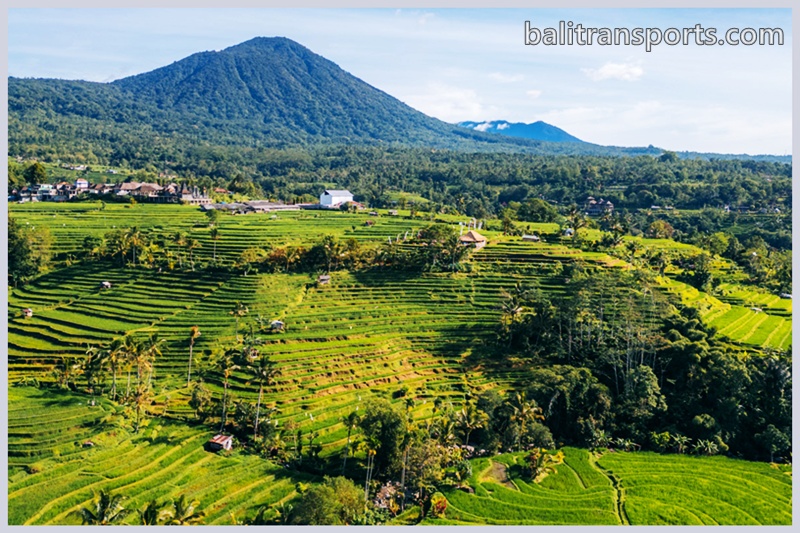
The main attraction of Jatiluwih is its magnificent rice terrace panorama. Visitors can enjoy spectacular views of green rice fields arranged in natural layers along the hillsides, extending from the lower valleys toward the mountain slopes.
Unlike many smaller rice-field attractions in Bali, Jatiluwih offers an extensive landscape that can be explored through several walking paths and countryside routes.
The rice terraces look especially beautiful during the growing season, when young rice plants create a fresh green carpet across the hills. During other periods, the fields may display golden colors as the rice approaches harvest time.
The surrounding scenery is complemented by coconut trees, tropical vegetation, traditional farmhouses, small irrigation channels, and distant mountain views. On clear days, the landscape provides excellent opportunities for photography.
Jatiluwih is also an attractive destination for nature lovers, photographers, couples, families, and travelers seeking a peaceful outdoor experience.
Traditional Agriculture and Organic Farming in Jatiluwih
Agriculture remains an important part of everyday life in Jatiluwih. Local farmers continue to maintain traditional rice cultivation methods while adapting to modern agricultural practices.
The fertile volcanic soil, cool temperatures, and abundant water supply from the surrounding mountain area create favorable conditions for rice cultivation. Some farmers also practice organic and environmentally friendly farming methods, helping preserve the natural landscape.
One of the interesting aspects of visiting Jatiluwih is the opportunity to observe local farming activities. Depending on the season, visitors may see farmers preparing the fields, planting rice seedlings, maintaining irrigation channels, or harvesting mature rice.
These traditional agricultural activities provide a fascinating insight into the rural lifestyle and cultural traditions of Bali.
Petali Temple and the Cultural Heritage of Jatiluwih
Besides its beautiful natural scenery, Jatiluwih also has important religious and historical attractions. One of the local sacred sites is Petali Temple (Pura Petali), which forms part of the spiritual heritage of the village.
The temple is associated with local Hindu traditions and the agricultural beliefs of the surrounding farming community. Like many temples in Bali, it reflects the close relationship between religious practices, community life, and the natural environment.
The cultural heritage of Jatiluwih is also connected with the history of the Balinese kingdoms, including the Gelgel Kingdom under King Dalem Waturenggong, whose reign is traditionally dated to the 15th and 16th centuries.
Visitors interested in Balinese culture can learn more about the importance of temples, traditional ceremonies, and the Subak irrigation system while exploring this beautiful countryside.
Outdoor Activities and Things to Do in Jatiluwih
Jatiluwih offers more than beautiful scenery. There are several enjoyable activities that allow visitors to experience the countryside at a slower pace.
1. Walking Through the Rice Terraces
Walking is one of the best ways to discover Jatiluwih. Several countryside trails lead visitors through the rice fields, small villages, irrigation channels, and scenic viewpoints. You can enjoy the peaceful surroundings while observing the daily activities of local farmers.
2. Cycling Around Jatiluwih Village
Cycling through the rural roads is another popular activity. The routes pass through green rice fields, traditional villages, and beautiful mountain scenery. Cycling is a wonderful way to explore the area while enjoying the cool highland atmosphere.
3. Photography and Sightseeing
Jatiluwih is one of Bali’s most photogenic destinations. The wide panoramic views, traditional farming landscapes, and dramatic green hills provide excellent opportunities for landscape photography.
4. Enjoying Local Balinese Food
Several local restaurants and small cafés around Jatiluwih offer Indonesian and Balinese dishes with beautiful views of the rice terraces. Visitors can enjoy lunch or a refreshing drink while admiring the surrounding countryside.
5. Learning About the Subak Irrigation System
A visit to Jatiluwih is also an opportunity to understand the traditional Subak system. This centuries-old irrigation organization demonstrates how Balinese farmers work together to distribute water fairly and maintain agricultural harmony.
Location and How to Get to Jatiluwih Rice Terraces
Jatiluwih Rice Terraces are located in Jatiluwih Village, Penebel District, Tabanan Regency, Bali, Indonesia.
The attraction is approximately:
- 13 km north of Tabanan town.
- 28 km from central Tabanan, depending on the starting point and route.
- 48 km from Denpasar.
- Around 50–60 km from Kuta and Seminyak, depending on traffic and the chosen route.
Visitors can reach Jatiluwih by private car, motorcycle, or rental vehicle with a driver. The main access roads pass through beautiful countryside, traditional villages, and mountain landscapes.
There are routes approaching the attraction from the eastern side through Pacung Village and from the western side through the area near Batukaru Temple.
For a comfortable journey, many tourists choose a private Bali car charter with an experienced local driver. This option makes it easier to combine Jatiluwih with other popular attractions in Tabanan and the Bedugul highlands.
Best Time to Visit Jatiluwih Rice Terraces
Jatiluwih can be visited throughout the year, but the scenery changes according to the rice-growing cycle.
The greenest views are generally enjoyed when the rice plants are actively growing. The landscape can also look particularly beautiful during the early morning, when the mountain air is fresh and soft sunlight illuminates the rice fields.
The dry season, generally from April to October, often provides more favorable conditions for walking and outdoor sightseeing. During the rainy season, the surrounding hills become lush and green, although rain may occasionally affect outdoor activities.
For the best experience, consider arriving in the morning or late afternoon to enjoy the cooler temperatures and beautiful natural light.
Useful travel tips:
- Wear comfortable walking shoes or sandals with good grip.
- Bring sunscreen, a hat, and drinking water.
- Carry a light jacket because the highland weather can be cooler than southern Bali.
- Be careful when walking along narrow paths between the rice fields.
- Respect local farmers and avoid stepping on rice plants.
- Keep the environment clean and do not leave rubbish behind.
- Bring some cash for small purchases and local refreshments.
Nearby Tourist Attractions to Visit from Jatiluwih
Jatiluwih is an excellent destination to include in a North Bali or Bedugul sightseeing itinerary. Several interesting attractions can be visited along the way.
Ulun Danu Beratan Temple
Located on the shore of Lake Beratan in Bedugul, this famous water temple is one of Bali’s most photographed landmarks. Its beautiful temple structures appear to float on the lake, surrounded by cool mountain scenery.
Bali Handara Gate
This iconic Balinese split gate is a popular photography location in the Bedugul highlands. It provides a beautiful background of traditional architecture and green mountain surroundings.
Banyumala Twin Waterfalls
One of the beautiful waterfalls in North Bali, Banyumala is known for its twin streams flowing down a lush tropical cliff into a natural pool.
Batukaru Temple
Pura Luhur Batukaru is one of Bali’s important Hindu temples, located on the slopes of Mount Batukaru. Surrounded by dense tropical forest, the temple offers a peaceful atmosphere and an opportunity to discover Balinese spiritual heritage.
Jatiluwih Rice Terraces Bali Tour with Private Driver
Visiting Jatiluwih Rice Terraces is highly recommended for travelers who want to discover the natural beauty, traditional agriculture, and cultural heritage of Bali.
You can arrange a private Bali sightseeing tour with a professional local driver to explore Jatiluwih and other attractions in the Tabanan and Bedugul regions. A private vehicle provides flexibility to stop at scenic viewpoints, enjoy local restaurants, visit temples, and take photographs along the journey.
Whether you are traveling as a couple, family, or group, Jatiluwih is a wonderful destination to include in your Bali holiday itinerary.
Jatiluwih Rice Terraces is more than just a beautiful rice field attraction. It is a living example of Bali’s traditional agricultural heritage, cultural philosophy, and harmonious relationship between people and nature. Its spectacular green landscape, peaceful countryside atmosphere, and UNESCO World Heritage recognition make it one of the must-visit destinations in Bali.
Jatiluwih Rice Terraces Entrance Fee and Ticket Prices
Visitors who wish to explore the beautiful Jatiluwih Rice Terraces in Tabanan, Bali, are required to purchase an entrance ticket. The admission fee provides access to the designated rice terrace walking trails, allowing visitors to enjoy the spectacular green rice fields, traditional irrigation channels, and breathtaking countryside scenery.
The current entrance ticket prices are as follows:
| Visitor Category | Entrance Fee |
|---|---|
| Foreign Adult | IDR 75,000 |
| Foreign Child | IDR 50,000 |
| Domestic Adult | IDR 25,000 |
| Domestic Child | IDR 15,000 |
What Is Included in the Entrance Ticket?
The entrance ticket generally includes access to the designated walking paths throughout the Jatiluwih rice terraces, where visitors can explore the agricultural landscape and enjoy panoramic views. Visitor insurance is also included.
Additional Fees at Jatiluwih Rice Terraces
Apart from the entrance ticket, visitors should be aware of several additional charges:
- Parking Fee: Approximately IDR 5,000, depending on the vehicle and parking area.
- Drone Photography: Visitors who wish to fly a drone must obtain prior permission. An additional fee of approximately IDR 300,000 applies.
- Food and Drinks: Restaurants, cafés, and small local shops around the rice terraces charge separately for food and refreshments.
Payment Methods and Visitor Tips
It is recommended to bring sufficient Indonesian Rupiah (IDR) in cash when visiting Jatiluwih. Although electronic payment options may be available, cash is useful if card transactions or online booking services are temporarily unavailable.
Please note that visitors who simply drive along the public village roads without entering the designated rice terrace walking areas or using the attraction’s parking facilities generally do not need to purchase an entrance ticket.
Travel Tip: To enjoy the best scenery at Jatiluwih Rice Terraces, consider visiting in the morning when the weather is cooler and the rice fields are beautifully illuminated by natural sunlight. Ticket prices and additional charges may change, so it is advisable to confirm the latest rates at the official entrance before your visit.