


Munduk Village Bali – A Beautiful Mountain Village Surrounded by Rice Terraces, Coffee Plantations and Waterfalls
Munduk Village is one of the most beautiful mountain destinations in North Bali, offering visitors a refreshing escape from Bali’s busy coastal resorts. Located in the highlands of Buleleng Regency, Munduk is famous for its cool mountain climate, spectacular green landscapes, traditional Balinese village atmosphere, coffee plantations, picturesque rice terraces and magnificent waterfalls.
Situated approximately 500 to 1,200 metres above sea level, Munduk enjoys a cooler climate than the southern part of Bali. Temperatures generally range from around 20°C to 25°C, although conditions vary depending on altitude, season and weather. Its fresh mountain air and peaceful surroundings make Munduk an ideal destination for nature lovers, photographers, hikers and travellers looking to experience a different side of Bali.
The surrounding countryside is particularly attractive, with rolling hills, tropical forests, traditional farms, clove plantations and beautifully cultivated rice fields. Visitors can enjoy a variety of outdoor activities, including village walks, rice field trekking, jungle hiking, birdwatching, cycling and visits to traditional cultural sites.
Munduk is also an excellent place to discover authentic Balinese rural life. Local communities continue to maintain traditional farming practices, religious ceremonies and cultural customs that have been passed down through generations.
Munduk Rice Terraces – Beautiful Green Landscapes of Bali
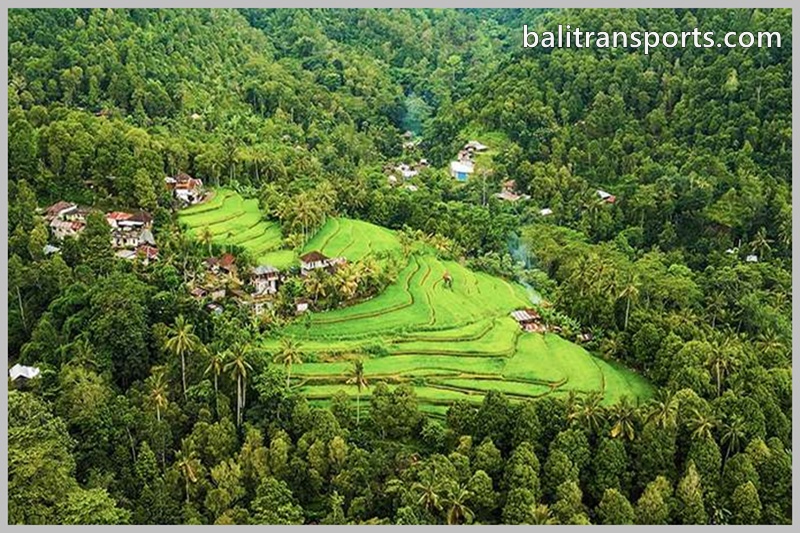
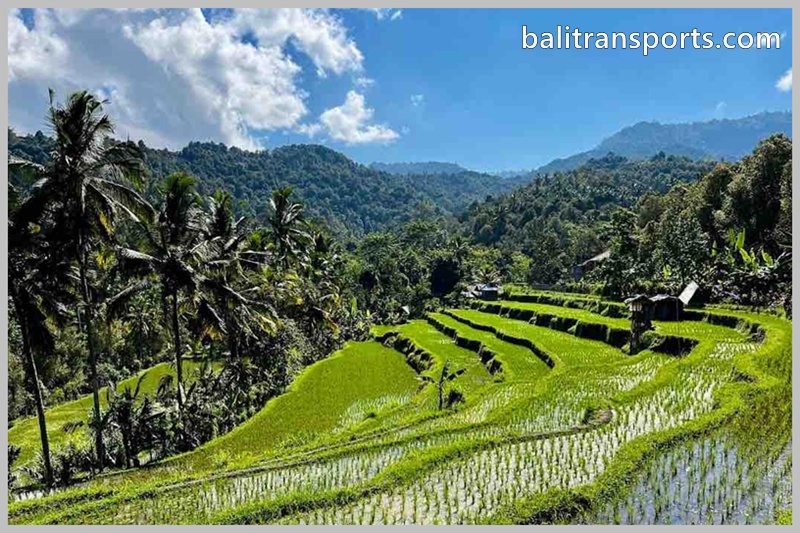
One of the main attractions of Munduk Village is its beautiful natural scenery, particularly the picturesque rice fields spread across the mountain slopes and surrounding valleys.
Rice is one of the most important agricultural products in Bali and plays a central role in the island’s economy, religion, culture and everyday life. Beyond being the main staple food of the Balinese people, rice cultivation is closely connected with traditional ceremonies and the Hindu philosophy of maintaining harmony between people, nature and the spiritual world.
The mountain landscape around Munduk provides excellent conditions for traditional wet-rice cultivation. Farmers carefully prepare the land, manage water supplies and maintain the rice terraces throughout the growing season. Depending on the time of year, visitors may see bright green rice plants, golden rice fields ready for harvesting or farmers working in the fields.
Traditional Balinese rice cultivation is supported by the famous Subak irrigation system, a cooperative water-management institution that distributes irrigation water among farming communities. Subak is not simply an agricultural technique; it is also a cultural and spiritual system that reflects the Balinese philosophy of Tri Hita Karana, which emphasizes harmony between humans, nature and God.
Visitors interested in rural tourism can explore the countryside on foot, enjoy panoramic views of the rice terraces and learn about the traditional farming activities that remain an important part of village life.
History of Munduk Village, Bali
Munduk has a fascinating history shaped by migration, traditional agriculture and the colonial period. According to local legends, the village was originally settled by people who moved into the mountains to escape an invasion of ants.
Over the centuries, several family groups and clans are believed to have migrated from other parts of Bali, including the Klungkung area, establishing settlements in the mountain region. These early communities developed agricultural activities and gradually transformed the surrounding landscape into productive farmland.
Munduk later became an important location during the Dutch colonial period in Bali. The Dutch colonial administration expanded its influence from Java into Bali, and the northern part of the island became an important centre of administration and trade.
Because of its cooler mountain climate and peaceful surroundings, Munduk was also used as a retreat by Dutch colonial officers based in Singaraja. Historical accounts associate the establishment of an early guesthouse for Dutch officers in Munduk with the year 1908.
The colonial period influenced the architecture and agricultural development of the village. Coffee, cocoa, cloves and vanilla became important plantation commodities, contributing to the local economy and introducing new agricultural opportunities.
Today, traces of this historical period can still be appreciated through the village’s traditional buildings, plantation landscapes and distinctive mountain atmosphere.
Coffee, Clove and Spice Plantations in Munduk
Munduk is particularly well known for its agricultural plantations, which thrive in the cool and fertile mountain environment. The region produces several agricultural commodities, including coffee, cloves, cocoa, nutmeg, vanilla and other tropical spices.
Coffee plantations are among the most interesting places to visit in Munduk. Visitors can walk through coffee gardens, observe how coffee plants are cultivated and learn about the traditional processing methods used by local farmers. Some plantations also provide opportunities to taste locally produced Balinese coffee while enjoying beautiful views of the surrounding mountains.
Clove trees are another important feature of the local agricultural landscape. During the harvest season, farmers collect the flower buds and dry them before selling them for use in food, traditional products and other industries.
Other crops commonly found in the area include:
- Cocoa: Grown for its beans, which are used to produce chocolate and other cocoa products.
- Nutmeg: An aromatic spice traditionally used in cooking and food preparation.
- Vanilla: A valuable tropical spice cultivated in suitable plantation environments.
- Avocado: A popular fruit grown in local gardens and small farms.
- Cloves: An important agricultural commodity that has historically contributed to Bali’s spice trade.
- Coffee: One of Munduk’s best-known plantation products, enjoyed by visitors and local communities.
Exploring these plantations provides a wonderful opportunity to understand the agricultural traditions of North Bali and experience the everyday activities of local farming families.
Outdoor Activities and Nature Experiences in Munduk
Munduk is an excellent destination for outdoor activities because of its cool climate, forested hills, beautiful valleys and peaceful rural surroundings.
Unlike Bali’s popular beach destinations, Munduk offers a refreshing mountain environment where visitors can spend time exploring nature and enjoying the tranquillity of the countryside.
Popular activities include:
1. Rice Field Walking and Village Trekking
Walking through Munduk Village is one of the best ways to appreciate its natural beauty. Traditional pathways lead through rice fields, small farms, local houses and plantation areas. Visitors can enjoy spectacular countryside views while discovering the daily life of the local community.
2. Jungle Trekking
The tropical forests surrounding Munduk offer excellent opportunities for jungle trekking. Walking trails pass through lush vegetation, mountain streams and shaded forest areas. Some routes lead to beautiful waterfalls hidden among the trees.
3. Waterfall Exploration
Munduk is famous for its beautiful waterfalls, including Munduk Waterfall, Melanting Waterfall, Golden Valley Waterfall and nearby Labuhan Kebo Waterfall. These natural attractions are surrounded by tropical greenery and provide excellent opportunities for photography, sightseeing and enjoying the peaceful mountain environment.
4. Birdwatching and Nature Photography
The forests and plantations around Munduk provide habitats for various tropical bird species and other wildlife. Nature enthusiasts can enjoy birdwatching while exploring the mountain trails. The combination of misty mountains, green plantations and traditional farmland also makes Munduk a wonderful destination for landscape photography.
5. Cycling and Countryside Exploration
Cycling around the mountain roads and village surroundings is another enjoyable way to discover Munduk. Visitors can experience the fresh mountain air, traditional settlements and scenic views while exploring the countryside at their own pace.
Cultural Heritage and Traditional Balinese Village Life
Munduk is not only known for its natural attractions but also for its traditional Balinese culture. The village community continues to maintain Hindu religious traditions, customary village organizations and ceremonies that are an essential part of everyday life.
Small temples, family shrines and community meeting places can be found throughout the village. Religious ceremonies and offerings are regularly prepared as expressions of gratitude and devotion.
Visitors may also observe traditional farming activities, local food preparation and community celebrations, depending on the season of their visit.
Experiencing village life in Munduk offers a different perspective on Bali, allowing travellers to understand the relationship between agriculture, religion and the local community.
When visiting traditional villages, travellers are encouraged to respect local customs, dress appropriately when entering temples and ask permission before photographing residents or religious ceremonies.
Historical Culture of North Bali – Gedong Kirtya Library
North Bali has an important place in the history of Balinese literature and traditional knowledge. One of its most remarkable cultural institutions is Gedong Kirtya, a historical manuscript library located in Singaraja.
Established in 1928, Gedong Kirtya is well known for its collection of traditional Balinese and Indonesian manuscripts, many of which are written on dried palm leaves known as lontar.
These manuscripts preserve valuable knowledge about Balinese literature, mythology, history, religious teachings, traditional medicine, rituals and cultural practices.
The library reflects the efforts of scholars and researchers who worked to document and preserve the cultural heritage of Bali during the early twentieth century.
Although Gedong Kirtya is located in Singaraja rather than Munduk itself, it is an interesting cultural destination to combine with a sightseeing journey through North Bali.
Traditional and Contemporary Balinese Music
Bali has a rich musical heritage, particularly through its traditional gamelan orchestras, which accompany religious ceremonies, traditional dances and cultural performances.
North Bali also has an interesting history of musical creativity and cultural exchange. Traditional Balinese instruments and performance styles have continued to evolve through interaction with other musical influences.
The younger generation of Balinese artists continues to explore new forms of artistic expression while maintaining connections with traditional culture.
Visitors interested in Balinese performing arts may have opportunities to experience gamelan music, traditional dances and local cultural performances during their stay or sightseeing journey in the region.
Best Time to Visit Munduk Village
Munduk can be visited throughout the year, although the atmosphere and scenery change according to the season.
The dry season, generally from April to October, is often preferred for trekking, plantation visits, sightseeing and outdoor photography because rainfall is usually lower.
The rainy season, generally from November to March, brings abundant greenery, flowing waterfalls and misty mountain scenery. However, some walking trails may become slippery, and rain can affect outdoor activities.
Early morning is particularly beautiful in Munduk, when the mountain air is fresh and mist sometimes settles over the valleys and plantations.
Visitors are advised to bring comfortable walking shoes, a light jacket, rain protection and suitable clothing because mountain temperatures can feel cooler, especially in the early morning and evening.
How to Get to Munduk Village, Bali
Munduk Village is situated in Buleleng Regency in the northern highlands of Bali. The journey to Munduk offers beautiful views of mountain landscapes, traditional villages, tropical forests and agricultural plantations.
Travelling by private car with a driver is a convenient option, particularly for visitors who want to explore several attractions along the way.
Approximate driving times depend on traffic, weather and the starting location:
- From Ubud: Around 2 to 2.5 hours.
- From Lovina Beach: Around 45 minutes to 1 hour.
- From Singaraja: Around 45 minutes to 1 hour.
- From Bedugul: Around 45 minutes to 1 hour.
- From Kuta or Seminyak: Around 2.5 to 3.5 hours.
- From Ngurah Rai International Airport: Around 3 to 4 hours.
The mountain roads leading to Munduk include winding sections and steep gradients, so travellers should allow sufficient time for the journey.
For a comfortable sightseeing experience, visitors can arrange a private Bali car rental with an experienced local driver or book a minibus for families and larger groups.
Nearby Tourist Attractions Around Munduk Village
Munduk is ideally located for exploring several popular attractions in North and Central Bali. Visitors can combine a trip to Munduk with beautiful lakes, temples, waterfalls and traditional mountain villages.
Some recommended places include:
- Ulun Danu Beratan Temple: A famous lakeside Hindu temple situated on Lake Beratan in Bedugul.
- Lake Tamblingan: A peaceful mountain lake surrounded by tropical rainforest and traditional temples.
- Lake Buyan: A beautiful natural lake known for its cool mountain atmosphere and scenic surroundings.
- Banyumala Twin Waterfalls: A spectacular waterfall featuring two streams flowing down a lush green cliff.
- Gitgit Waterfall: One of the well-known waterfalls in North Bali, surrounded by tropical vegetation.
- Munduk Waterfall: A beautiful natural attraction located within the village’s forested landscape.
- Handara Gate: A popular photographic landmark surrounded by the green mountain scenery of Bedugul.
- Bali Botanical Garden: A large botanical garden in Bedugul featuring diverse tropical plants and beautiful forest landscapes.
Why Visit Munduk Village, Bali?
Munduk is an excellent destination for travellers who want to discover the quieter and more natural side of Bali. Its beautiful mountain scenery, cool climate, traditional rice fields, coffee plantations, spice gardens and spectacular waterfalls make it one of the most attractive destinations in the northern part of the island.
Whether you enjoy hiking through tropical forests, exploring traditional villages, visiting coffee plantations, photographing rice terraces or simply relaxing in the fresh mountain air, Munduk offers a memorable experience away from Bali’s busy tourist centres.
For visitors planning a North Bali sightseeing trip, Munduk Village is highly recommended as part of an itinerary that includes Bedugul, Lake Beratan, Lake Tamblingan, Banyumala Waterfall and other nearby natural attractions.
Explore Munduk Village and the beautiful highlands of North Bali with Bali Transports. Arrange a private car, minibus or bus with an experienced driver to enjoy a comfortable journey and discover Bali’s spectacular mountain landscapes, traditional villages and cultural attractions.
Munduk Village Bali Entrance Fee & Waterfall Ticket Prices
Visiting Munduk Village in North Bali is generally free of charge. There is no general entrance ticket required to enter the village, walk through its traditional streets or enjoy the beautiful mountain scenery, rice terraces and surrounding plantations.
However, visitors should be aware that some individual tourist attractions, particularly waterfalls around Munduk, charge separate entrance fees. These admission charges help support the maintenance of walking trails, access paths and facilities around the waterfalls.
Entrance Fees for Waterfalls Around Munduk Village
The following are approximate entrance fees for some of the popular waterfalls in and around Munduk:
- Munduk Waterfall (Red Coral Waterfall): Approximately IDR 45,000 per adult. Children may receive discounted admission. Parking generally costs around IDR 2,000–5,000, depending on the vehicle.
- Melanting Waterfall: Approximately IDR 20,000 per person.
- Labuhan Kebo Waterfall: Approximately IDR 20,000 per person.
- Golden Valley Waterfall: Access is generally donation-based, although visitors may be encouraged to purchase food or drinks at the nearby café.
Important Information for Visitors
- Bring cash in Indonesian Rupiah (IDR): Most small waterfall entrances, local ticket counters and parking areas accept cash payments. It is advisable to carry small denominations.
- Separate entrance tickets: Each waterfall may have its own admission charge. Visitors exploring several waterfalls along a trekking route should not assume that one ticket covers all attractions.
- Parking fees: Some waterfall locations charge additional parking fees for motorcycles and cars.
- Trekking conditions: Walking paths around Munduk’s waterfalls can be steep, slippery and uneven, particularly during the rainy season. Comfortable walking shoes are recommended.
- Check current prices: Entrance fees and parking charges may change without prior notice. Confirm the latest rates at the ticket counter before entering.
Is Munduk Village Worth Visiting?
Absolutely! Munduk is one of the most beautiful mountain destinations in Bali, offering spectacular waterfalls, green rice terraces, coffee plantations, tropical forests and refreshing mountain air. Since exploring the village itself is free, visitors can enjoy its natural beauty without paying a general admission fee.
For travellers planning to visit several waterfalls and nearby attractions, arranging a private Bali car rental with a driver is a convenient way to explore Munduk and the surrounding highlands.