

Rambut Siwi Temple Bali – A Beautiful Sacred Sea Temple in West Bali
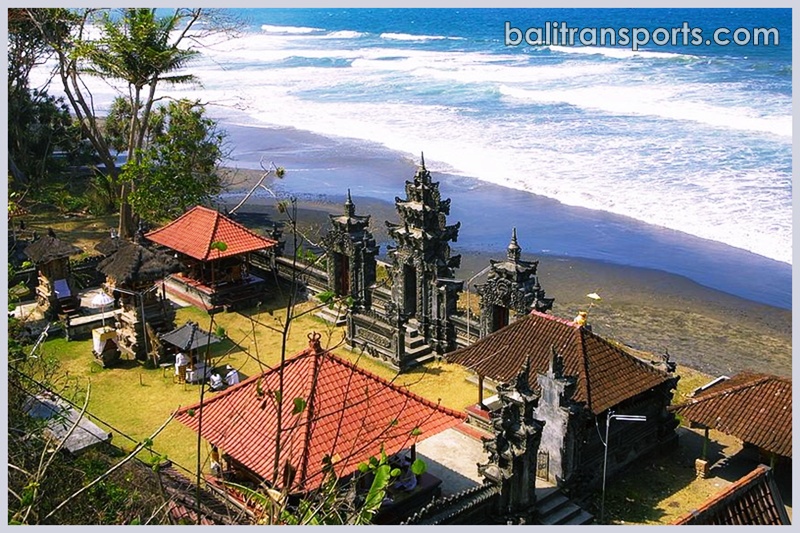
Rambut Siwi Temple (Pura Rambut Siwi) is one of the most beautiful and historically significant Hindu temples in West Bali. Located in Yeh Embang Village, Mendoyo District, Jembrana Regency, this sacred coastal temple stands on a picturesque cliff overlooking the vast Indian Ocean. Surrounded by tropical greenery, shady frangipani trees, traditional Balinese architecture, and spectacular ocean scenery, Rambut Siwi Temple offers visitors a peaceful atmosphere for sightseeing, photography, and learning about Bali’s Hindu culture and spiritual heritage.
Situated approximately 10 kilometres from Negara town, Pura Rambut Siwi is easily accessible by car or motorcycle. The temple is located along the main Denpasar–Gilimanuk highway, making it a convenient cultural stop for travellers exploring West Bali or travelling between Denpasar and Gilimanuk Harbour.
Unlike some of Bali’s more crowded tourist attractions, Rambut Siwi Temple offers a quieter and more relaxing experience. Visitors can enjoy beautiful coastal views, admire traditional temple architecture, explore the surrounding sacred areas, and discover the fascinating legend behind the temple’s name.
History and Legend of Rambut Siwi Temple
The history of Rambut Siwi Temple is closely connected to the journey of Danghyang Nirartha, a highly respected Hindu priest from Java who travelled to Bali during the 16th century. He played an important role in spreading and strengthening Hindu religious teachings throughout the island. Several important temples in Bali are associated with his spiritual journey, including coastal temples established at locations with remarkable natural scenery.
According to local legend, when Danghyang Nirartha arrived in West Bali from Java, he travelled through the region on his way to meet the king of Bali at Gelgel. During his journey, he heard that the village of Gading Wani was suffering from a serious epidemic.
Moved by the villagers’ suffering, Danghyang Nirartha visited the settlement and performed a spiritual ceremony. According to the story, the epidemic disappeared after his intervention. The grateful villagers asked him to remain in their village, but the priest explained that he needed to continue his journey to Gelgel.
Before leaving, he gave the villagers a lock of his hair as a sacred object and a symbol of spiritual protection. The villagers preserved and worshipped this relic as a reminder of his blessing.
This story became the foundation of the temple’s name, Rambut Siwi. In Balinese, rambut means hair, while siwi refers to worship or reverence. Therefore, Rambut Siwi can be understood as the worship or veneration of the sacred hair.
The priest was also associated with the honorific name Pedanda Sakti Wawu Rawuh, meaning the powerful high priest who had newly arrived. His spiritual influence remains an important part of the temple’s religious identity.
Unique Location and Spectacular Ocean Views
One of the main attractions of Rambut Siwi Temple is its spectacular location on a coastal bluff overlooking the Indian Ocean. The temple complex is positioned above a long stretch of beach, providing beautiful panoramic views of the sea and surrounding coastline.
From the temple grounds, visitors can enjoy the sound of ocean waves, fresh sea breezes, and the peaceful atmosphere of the West Bali coastline. The combination of sacred Balinese architecture and dramatic coastal scenery makes Pura Rambut Siwi a particularly memorable destination.
The temple is surrounded by tropical vegetation, including shady trees and beautiful frangipani trees commonly found around Balinese Hindu temples. These natural surroundings create a tranquil environment for prayer and contemplation.
The elevated position also provides excellent opportunities for photography, especially when the weather is clear. Visitors can capture the temple buildings against the blue ocean or enjoy the changing colours of the sky in the late afternoon.
Traditional Balinese Architecture and Temple Carvings
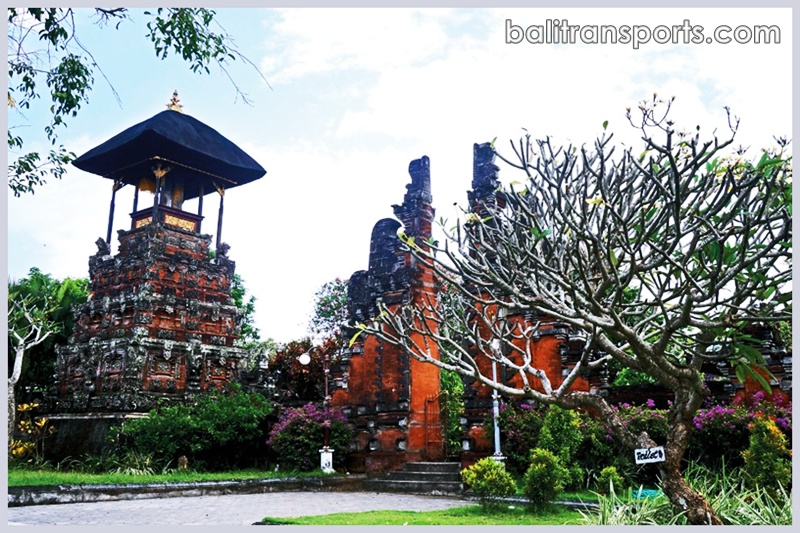
Rambut Siwi Temple features traditional Balinese Hindu architectural elements, including shrines, ceremonial gateways, stone sculptures, and beautifully decorated temple structures.
Some of the temple’s buildings feature red brick construction and decorative relief carvings depicting traditional Balinese artistic motifs. These details reflect the island’s rich cultural heritage and the craftsmanship of local artisans.
Among the interesting sculptures found around the temple is a representation of Rangda, a powerful figure in Balinese mythology associated with mystical forces and traditional Barong performances.
The temple’s architectural arrangement also reflects the traditional Balinese concept of sacred spaces, with different courtyards and shrines serving particular religious purposes.
Visitors should remember that Rambut Siwi is an active place of worship rather than simply a tourist attraction. Some areas are reserved for Hindu religious ceremonies and worshippers, so visitors should respect temple regulations and follow local guidance.
Beach Temples and Sacred Springs
Another interesting feature of the Rambut Siwi Temple complex is the presence of smaller sacred structures located closer to the beach.
Pura Segara, a sea temple situated near the shoreline, is associated with the spiritual relationship between Balinese Hindu communities and the ocean. Like many coastal temples throughout Bali, it reflects the importance of the sea in traditional religious beliefs and local ceremonies.
There are also smaller sacred areas and cave-like temple structures along the beach. Some are associated with local legends, sacred water, and spiritual stories passed down through generations.
Local folklore also tells of a magical tiger that found a peaceful place to live near Pura Segara. Such stories form part of the traditional cultural heritage surrounding the temple and add to its mysterious atmosphere.
The beach below the main temple provides another perspective of the coastline, although visitors should exercise caution when walking down the slopes or approaching the water, particularly when the waves are strong.
Religious Importance of Pura Rambut Siwi
Rambut Siwi Temple is not only a historical landmark but also an important spiritual centre for the local Hindu community in Jembrana Regency.
The temple is maintained and supported by local residents, who participate in religious ceremonies, temple cleaning, restoration, and other traditional activities. Its continued preservation reflects the strong relationship between Balinese Hindu communities and their sacred temples.
Regular religious activities and ceremonial offerings take place throughout the year, depending on the Balinese Hindu calendar. During important temple anniversaries and religious celebrations, the complex may become more active as local worshippers gather to pray and participate in traditional ceremonies.
For visitors interested in Balinese culture, observing the temple’s religious atmosphere from permitted areas offers a valuable opportunity to understand the island’s spiritual traditions.
Things to See and Do at Rambut Siwi Temple
There are several enjoyable activities for visitors exploring this beautiful temple in West Bali.
1. Admire the Indian Ocean Panorama
The elevated temple location provides wonderful views of the Indian Ocean. Spend some time enjoying the coastal scenery and peaceful atmosphere while appreciating the natural beauty of West Bali.
2. Explore Traditional Balinese Temple Architecture
Discover the traditional shrines, gateways, statues, and decorative carvings throughout the temple complex. These structures provide insight into Balinese religious architecture and artistic traditions.
3. Learn About the Legend of Danghyang Nirartha
Discover the fascinating story behind the temple’s name and the sacred lock of hair associated with the respected Hindu priest. The legend provides an interesting connection between the temple’s history and Bali’s religious heritage.
4. Visit the Coastal Temple Area
If access is permitted and conditions are safe, explore the smaller sacred structures near the beach, including the area associated with Pura Segara.
5. Enjoy Photography
Rambut Siwi Temple is an attractive destination for photography enthusiasts. The combination of traditional architecture, tropical greenery, dramatic cliffs, and ocean views creates beautiful photographic opportunities.
6. Experience a Peaceful Cultural Destination
Compared with Bali’s more famous tourist temples, Rambut Siwi is generally less crowded. Visitors can enjoy a quieter atmosphere while discovering one of the island’s important historical and religious sites.
Best Time to Visit Rambut Siwi Temple
The best time to visit Pura Rambut Siwi is generally in the morning or late afternoon when the weather is more comfortable and the coastal scenery is particularly beautiful.
-
Morning (08:00–10:00): Enjoy cooler temperatures, peaceful surroundings, and good natural lighting.
-
Afternoon (15:00–17:00): Experience beautiful coastal scenery and softer sunlight for photography.
-
Sunset: The western coastline offers attractive sunset scenery, although visibility depends on weather conditions.
Bali has a tropical climate, with a dry season generally occurring between April and October and a rainy season between November and March. During the dry season, visitors often have better opportunities to enjoy clear ocean views.
Location and How to Get to Rambut Siwi Temple
Rambut Siwi Temple is located in Yeh Embang Village, Mendoyo District, Jembrana Regency, West Bali. It is situated near the main Denpasar–Gilimanuk highway, between the areas of Air Satang and Yeh Embang.
The entrance is marked by a small road leading away from the main highway towards the temple grounds. The access road takes visitors through a shaded area before reaching the temple overlooking the ocean.
Approximate travel times:
| Starting Point | Estimated Travel Time |
|---|---|
| Negara | 20–30 minutes |
| Medewi Beach | 20–30 minutes |
| Gilimanuk Harbour | 1–1.5 hours |
| Lovina | 2–2.5 hours |
| Tanah Lot | 2–2.5 hours |
| Ubud | 2.5–3 hours |
| Kuta / Seminyak | 2.5–3 hours |
| Denpasar | 2.5–3 hours |
Travel times are approximate and depend on traffic, road conditions, and the starting point.
The most convenient way to visit Rambut Siwi Temple is by private car with a driver or rental vehicle. Visitors travelling from South Bali can combine the temple with other attractions along the western coastline.
Nearby Tourist Attractions in West Bali
If you are planning a sightseeing trip to Jembrana Regency, several interesting destinations can be combined with a visit to Rambut Siwi Temple.
1. Medewi Beach
A popular surfing destination famous for its long left-hand waves, black sand coastline, and relaxed seaside
2. Bunut Bolong
A remarkable giant banyan tree with a natural opening through its trunk, allowing a road to pass underneath.
3. Perancak Fishing Village
A traditional fishing village known for its colourful fishing boats, coastal scenery, and local maritime culture.
atmosphere.
4. West Bali National Park
A protected natural area featuring tropical forests, mangroves, wildlife, and beautiful coastal ecosystems.
Why Visit Rambut Siwi Temple in Bali?
Rambut Siwi Temple is a wonderful destination for travellers who want to explore Bali beyond the popular attractions of South Bali and Ubud. Its historical connection with Danghyang Nirartha, traditional Balinese architecture, sacred relic legend, and spectacular oceanfront location make it one of the most interesting temples in Jembrana Regency.
Whether you are interested in Balinese Hindu culture, historical temples, coastal scenery, or photography, Pura Rambut Siwi offers a memorable experience in the western part of the island.
For travellers driving between Denpasar and Gilimanuk, this temple is an excellent cultural stop along the way. Its peaceful atmosphere and beautiful Indian Ocean views make it worth including in a West Bali sightseeing itinerary.
Rambut Siwi Temple Entrance Fee and Ticket Prices
The entrance fee for Rambut Siwi Temple (Pura Rambut Siwi) in West Bali generally ranges from IDR 5,000 to IDR 20,000 per person, depending on the latest local ticketing arrangements and visitor regulations.
In addition to the entrance fee, visitors may need to pay for sarong rental and vehicle parking. These costs are relatively affordable, making Rambut Siwi Temple an inexpensive cultural attraction to visit while exploring Jembrana Regency.
Rambut Siwi Temple Entrance Fee Breakdown
| Description | Estimated Price |
|---|---|
| Temple entrance fee | IDR 5,000–20,000/person |
| Sarong rental (if required) | IDR 10,000 |
| Motorcycle parking | IDR 2,000 |
| Car parking | IDR 5,000 |
Please note that these prices are indicative and may change depending on local management policies, religious ceremonies, or updated ticketing arrangements. Confirm the latest fees upon arrival.
Opening Hours
Rambut Siwi Temple is generally accessible to visitors daily, from approximately 8:00 AM to 6:00 PM. However, local Hindu worshippers may visit outside these hours for religious activities and prayers.
Visitors are advised to come during daylight hours to explore the temple grounds, admire the traditional Balinese architecture, and enjoy panoramic views of the Indian Ocean.
Dress Code and Visitor Guidelines
As Rambut Siwi is an active Hindu place of worship, visitors should respect local religious customs and temple regulations.
-
Sarong and sash: Visitors may be required to wear a sarong and sash when entering the temple’s sacred areas. Rental may be available locally.
-
Modest clothing: Wear appropriate clothing that covers the shoulders and knees.
-
Respect religious ceremonies: Avoid disturbing worshippers or taking photographs in restricted areas.
-
Temple etiquette: Do not step over offerings or touch sacred objects without permission.
Location of Rambut Siwi Temple
Rambut Siwi Temple is located in Yeh Embang Kangin Village, Mendoyo District, Jembrana Regency, West Bali. The temple stands on a coastal hill overlooking the Indian Ocean and is accessible by car or motorcycle from the main Denpasar–Gilimanuk highway.
Its convenient location makes Pura Rambut Siwi a worthwhile stop for travellers exploring West Bali, particularly those visiting Medewi Beach, Negara, and other attractions in Jembrana.