


Tulamben Beach Bali – A Famous Diving Destination on the Northeast Coast of Bali
Tulamben Beach is one of the most famous coastal destinations in northeast Bali, Indonesia, particularly renowned for its spectacular underwater scenery, fascinating shipwreck, colourful coral reefs, and exceptional scuba diving opportunities. Located in Karangasem Regency, approximately 2.5 to 3 hours by car from popular tourist areas in southern Bali, Tulamben offers a completely different atmosphere from the island’s busy beach resorts.
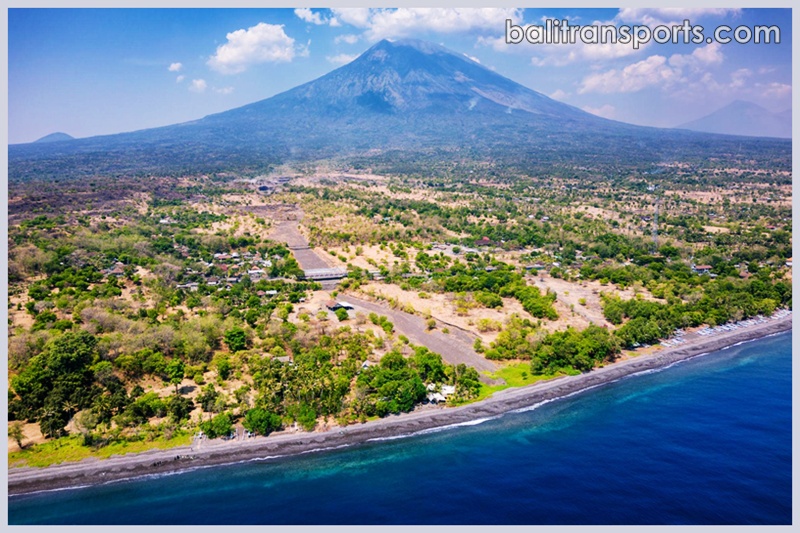
Unlike the white sandy beaches of Kuta, Nusa Dua, and Sanur, Tulamben is characterised by dark volcanic stones, black sand, and dramatic coastal landscapes. The surrounding countryside features traditional Balinese villages, terraced rice fields, coconut trees, and impressive views of Mount Agung, Bali’s highest volcano.
Tulamben is particularly attractive to visitors who enjoy diving, snorkelling, underwater photography, and exploring Bali’s natural beauty. Its most famous attraction is the USAT Liberty Shipwreck, an American cargo ship that was torpedoed by a Japanese submarine during World War II and eventually came to rest just offshore from Tulamben.
Today, the wreck has become an artificial reef covered with corals and inhabited by thousands of tropical fish and other marine creatures. Together with several other outstanding dive locations, it has established Tulamben as one of the best scuba diving destinations in Bali and a popular diving location among international underwater enthusiasts.
Where Is Tulamben Beach Located?
Tulamben is situated on the northeast coast of Bali, within the Kubu District of Karangasem Regency. The village faces the Lombok Strait and is surrounded by beautiful volcanic landscapes shaped by the geological activity of Mount Agung.
The coastal area remains relatively peaceful compared with Bali’s more developed southern destinations. Traditional fishing activities, local village life, small guesthouses, restaurants, and diving centres are important parts of the local community.
The beach itself is not a typical swimming beach. Its shoreline consists mainly of black volcanic pebbles and coarse sand, with some rocky sections. However, the underwater environment is exceptionally rich, making Tulamben much more famous for diving than for sunbathing.
Visitors can enjoy beautiful coastal scenery, watch traditional fishing boats along the shore, explore nearby villages, or simply relax while admiring the spectacular natural surroundings.
The History of Tulamben and Mount Agung’s Volcanic Landscape
One of the most distinctive characteristics of Tulamben Beach is its unusual black volcanic landscape. The dark stones and volcanic sand along the coastline are closely connected to the geological history of Mount Agung.
During the major eruption of Mount Agung in 1963, enormous quantities of volcanic material flowed down the mountain slopes, transforming parts of the surrounding countryside. Rivers of volcanic rubble and lava deposits created the dramatic black landscape that can still be seen around Tulamben today.
The contrast between the dark volcanic coastline, green rice terraces, tropical vegetation, and the towering Mount Agung creates a remarkable natural setting.
Although the volcanic eruption caused significant destruction in the region, the surrounding marine environment gradually developed into a thriving underwater ecosystem. Over time, volcanic rocks provided natural surfaces for coral growth, helping create the fascinating diving environments for which Tulamben is now famous.
Why Is Tulamben Famous for Scuba Diving?
Tulamben has earned an international reputation as one of Bali’s leading scuba diving destinations. The area is part of the Coral Triangle, one of the world’s richest marine biodiversity regions, where tropical ocean currents support an extraordinary variety of marine species.
The northeast coast of Bali receives nutrient-rich waters influenced by ocean currents moving between the Pacific and Indian Oceans. These conditions help support diverse coral communities, reef fish, invertebrates, and other underwater organisms.
Another reason Tulamben is so popular is the variety of underwater environments found within a relatively small coastal area. Divers can explore a historic shipwreck, underwater coral gardens, steep volcanic slopes, dramatic drop-offs, and offshore rocky formations.
The main diving attractions include:
-
USAT Liberty Shipwreck: A historic World War II cargo ship that has become one of Bali’s most famous artificial reefs.
-
Tulamben Wall or Drop Off: A spectacular underwater formation featuring steep coral-covered volcanic slopes.
-
Paradise Reef: A beautiful coral garden famous for its colourful reef fish and fascinating macro marine life.
-
Kelebit Rocks: Offshore rocky formations offering a different underwater environment and opportunities to encounter larger marine species.
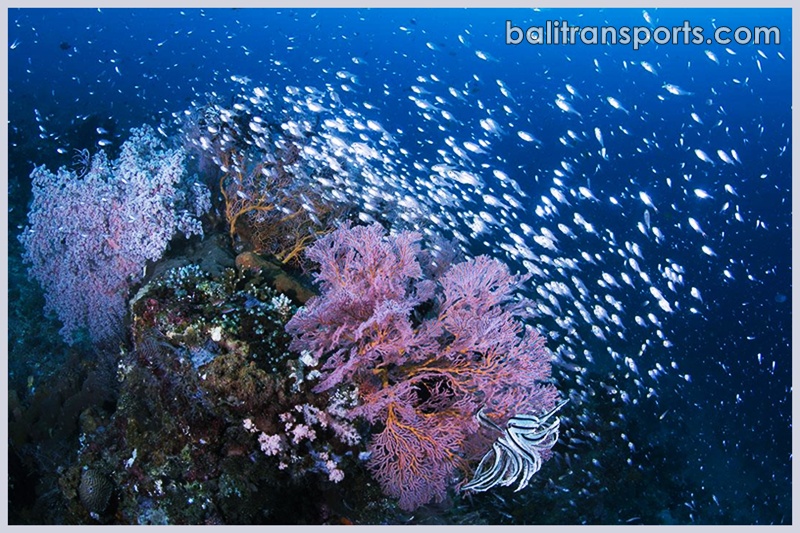
The black volcanic sand also creates a distinctive underwater photographic environment. Although visibility can vary and may sometimes be lower than at white-sand dive locations, the dark background provides a beautiful contrast against brightly coloured corals, sea fans, tropical fish, and other marine creatures.
Best Diving Sites in Tulamben Bali
Tulamben offers several excellent diving locations suitable for different experience levels. Whether you are interested in exploring historic shipwrecks, photographing small marine creatures, or discovering dramatic underwater landscapes, there are plenty of opportunities to enjoy the marine environment.
1. USAT Liberty Shipwreck
The USAT Liberty Shipwreck is the most famous diving attraction in Tulamben and one of the most recognisable underwater sites in Bali.
The USAT Liberty was an American cargo vessel that was torpedoed by a Japanese submarine in January 1942 during World War II. The damaged ship was initially taken to the nearby port of Singaraja, but it was eventually abandoned on the shore at Tulamben.
Following the eruption of Mount Agung in 1963, volcanic activity and coastal movement helped push the wreck into the sea, where it eventually settled close to the shoreline. Today, the ship lies underwater at varying depths, making it accessible to divers with different levels of experience, depending on the section explored.
Over the decades, the wreck has become covered with hard and soft corals, sponges, and other marine organisms. It now provides shelter for an impressive variety of underwater life.
Divers may encounter:
-
Large schools of tropical reef fish.
-
Parrotfish and angelfish.
-
Butterflyfish and damselfish.
-
Moray eels hiding inside the wreck.
-
Barracuda and other larger fish.
-
Colourful nudibranchs and small marine creatures.
-
Coral formations growing across the ship’s structure.
The shallow sections are suitable for some beginner diving experiences under professional supervision, while deeper sections require appropriate training and certification.
The Liberty Wreck is also an excellent location for underwater photography because of its fascinating ship structure, colourful marine life, and dramatic volcanic surroundings.
2. Tulamben Wall / Drop Off
Tulamben Wall, also known as the Drop Off, is another outstanding underwater attraction located approximately 500 metres east of the Liberty Shipwreck.
This dive site features impressive underwater volcanic formations, with steep coral-covered slopes descending to depths of more than 60 metres in some sections.
The underwater topography consists of several lava spurs covered with hard and soft corals. These formations create interesting overhangs, crevices, and sheltered areas where different marine species can be found.
One of the highlights is a magnificent purple gorgonian sea fan found at approximately 28 metres underwater. Some of these sea fans grow to impressive sizes, providing an excellent opportunity for underwater photographers.
Marine life commonly encountered around Tulamben Wall includes:
-
Bumphead parrotfish.
-
Lionfish.
-
Ornate ghost pipefish.
-
Cometfish.
-
Moray eels.
-
Various reef fish and colourful coral species.
-
Large sea fans and soft corals.
The combination of dramatic underwater scenery and diverse marine life makes Tulamben Wall particularly appealing to experienced divers and underwater photographers.
Because some sections are deep, divers should always choose a depth appropriate to their certification and experience.
3. Kelebit Rocks
Kelebit Rocks is an offshore diving location situated approximately 15 minutes by traditional boat from Tulamben Bay, depending on sea conditions.
Unlike the black volcanic sand environment found closer to the village, Kelebit Rocks features underwater rocky formations and steep coral-covered ridges. The landscape creates a different marine habitat, attracting various species of reef fish and larger predators.
The underwater topography includes several steep ridges covered with hard corals, creating an interesting environment for divers who want to explore something different from the Liberty Wreck and nearby coral gardens.
Water conditions can sometimes be cooler, and visibility may be better than at certain locations within Tulamben Bay, although conditions vary depending on weather, currents, and season.
Marine creatures that may be encountered include:
-
Reef sharks.
-
Barracuda.
-
Large schooling fish.
-
Various tropical reef fish.
-
Colourful hard corals and other marine organisms.
Hammerhead sharks and manta rays have also been reported in the wider area, although these encounters are occasional and should never be expected or guaranteed.
Kelebit Rocks is particularly suitable for divers with appropriate experience who want to explore more exposed offshore underwater environments.
4. Paradise Reef / Coral Garden
Paradise Reef, also known as Coral Garden or the Tulamben House Reef, is a popular diving location situated between the Liberty Shipwreck and the Drop Off.
Unlike the steep underwater formations found at Tulamben Wall, Paradise Reef features gently sloping volcanic seabeds that descend to approximately 25 metres.
This location is particularly famous for its rich marine biodiversity and excellent opportunities for macro underwater photography. Divers can explore the coral formations and volcanic seabed while searching for small, colourful marine creatures.
Some of the marine species that can be found include:
-
Ribbon eels.
-
Moray eels.
-
Octopuses.
-
Anemonefish (clownfish).
-
Harlequin shrimp.
-
Boxer crabs.
-
Hairy crabs.
-
Nudibranchs.
-
Juvenile tropical fish.
-
Various colourful reef invertebrates.
Paradise Reef is also an excellent location for night diving. After sunset, many nocturnal marine creatures become active, providing divers with opportunities to discover a completely different underwater environment.
Night dives may reveal Spanish dancer nudibranchs, unusual crabs, shrimps, and other fascinating creatures that are difficult to spot during daylight hours.
For visitors interested in underwater photography, Paradise Reef is one of the most rewarding locations in the Tulamben area.
Snorkelling at Tulamben Beach
Although Tulamben is internationally recognised for scuba diving, visitors who do not have diving certification can also enjoy snorkelling in selected shallow coastal areas.
The coral reefs near the shoreline provide opportunities to observe tropical fish and underwater scenery without going deep beneath the surface.
The Liberty Shipwreck can also be seen from the surface in some shallow sections, depending on sea conditions and visibility. However, the wreck is largely an underwater diving attraction, and snorkellers should not expect to explore its deeper structures.
Snorkelling conditions vary according to waves, currents, and weather. Since the shoreline consists mainly of volcanic stones rather than soft sand, wearing suitable water shoes can make entering and exiting the water more comfortable.
For safety, visitors should consider joining a local snorkelling operator who knows the reef conditions and suitable entry points.
Best Time to Visit Tulamben Beach
Tulamben can be visited throughout the year, although the weather and sea conditions can influence the quality of diving and snorkelling activities.
Generally, the dry season between April and October is a popular period for visiting Tulamben because the weather is often sunnier and sea conditions can be favourable.
The rainy season, usually from November to March, can also offer good diving opportunities, although rainfall, waves, currents, and underwater visibility may vary.
For the best experience:
-
Visit in the morning when conditions may be calmer.
-
Check sea conditions before arranging diving or snorkelling activities.
-
Choose a professional diving centre with qualified instructors.
-
Allow enough time to explore several different diving sites.
-
Bring suitable sun protection and comfortable clothing.
Visibility is not always perfect in Tulamben because of the volcanic sand and plankton-rich water. However, this is also part of what makes its underwater environment distinctive.
How to Get to Tulamben Beach from Popular Areas in Bali
Tulamben is located in Karangasem Regency, approximately 100 kilometres from Denpasar, depending on the route and starting point.
The easiest way to reach Tulamben is by private car with a driver, allowing visitors to enjoy the scenic countryside and stop at interesting attractions along the way.
Approximate driving times are:
| Starting Location | Estimated Travel Time |
|---|---|
| Ubud | 1.5–2 hours |
| Candidasa | 1–1.5 hours |
| Amed | 20–30 minutes |
| Padang Bai | 1–1.5 hours |
| Sanur | 2–2.5 hours |
| Kuta / Seminyak | 2.5–3 hours |
| Nusa Dua | 2.5–3 hours |
| Ngurah Rai Airport | 2.5–3.5 hours |
Travel times are estimates and depend on traffic, road conditions, and the exact starting location.
For tourists travelling from southern Bali, renting a private car with an English-speaking driver is a convenient option. It allows you to visit Tulamben comfortably without worrying about navigating unfamiliar roads.
You can also combine a trip to Tulamben with other attractions in East Bali, such as Amed Beach, Tirta Gangga Water Palace, Taman Ujung Water Palace, and Lempuyang Temple.
Nearby Attractions to Visit Around Tulamben
If you are planning to explore northeast and eastern Bali, Tulamben can be combined with several beautiful destinations in Karangasem Regency.
1. Amed Beach
Amed is a beautiful coastal destination famous for black volcanic beaches, traditional fishing boats, colourful coral reefs, and excellent diving and snorkelling opportunities. It is located approximately 20–30 minutes from Tulamben.
2. Tirta Gangga Water Palace
Tirta Gangga is a historic royal water palace featuring beautiful gardens, ornamental ponds, stone fountains, and stepping stones surrounded by koi fish. It is one of the most popular cultural attractions in East Bali.
3. Taman Ujung Water Palace
Also known as Taman Sukasada, this former royal water palace is famous for its elegant architecture, large ponds, landscaped gardens, and scenic views of the surrounding hills and coastline.
4. Lempuyang Temple
Lempuyang Temple is one of Bali’s most famous Hindu temple complexes. Its iconic Gate of Heaven provides a spectacular view of Mount Agung on clear days.
Travel Tips for Visiting Tulamben Beach
To make your visit more enjoyable, consider the following recommendations:
-
Bring suitable footwear: The beach has black volcanic stones and rocky sections, so comfortable water shoes are recommended.
-
Book diving activities in advance: Tulamben has several diving centres offering guided dives, equipment rental, and beginner courses.
-
Check your diving certification: Some dive sites are deeper and require appropriate training and experience.
-
Bring an underwater camera: The Liberty Wreck and Coral Garden offer excellent photography opportunities.
-
Respect marine life: Avoid touching corals, feeding fish, or disturbing underwater creatures.
-
Allow enough time: A full day or an overnight stay is recommended if you want to explore multiple diving locations.
-
Consider staying overnight: Tulamben has accommodation ranging from budget guesthouses to comfortable diving resorts.
Is Tulamben Beach Worth Visiting?
Absolutely. Tulamben is one of the most interesting coastal destinations in Bali, especially for visitors who appreciate marine life, scuba diving, and natural landscapes.
While it does not offer the typical white sandy beach experience found in southern Bali, its black volcanic shoreline, peaceful village atmosphere, and world-famous Liberty Shipwreck make it a unique destination.
The combination of the USAT Liberty Shipwreck, Tulamben Wall, Paradise Reef, and Kelebit Rocks provides an impressive variety of underwater experiences. Even visitors who do not scuba dive can enjoy the beautiful coastline, snorkelling opportunities, and surrounding countryside.
If you are planning an East Bali sightseeing trip, Tulamben is well worth including in your itinerary, particularly when combined with Amed, Tirta Gangga, Taman Ujung, and other attractions in Karangasem.
Tulamben Beach Bali Entrance Fee and Additional Costs
Visiting Tulamben Beach in Karangasem, northeast Bali, is generally free of charge, as there is no official entrance ticket required to access the public beach. Visitors can enjoy the beautiful black volcanic shoreline, watch traditional fishing boats, admire the coastal scenery, or explore the surrounding village without paying an admission fee.
However, visitors should be aware that certain optional activities and local services may involve additional charges, particularly for snorkelling, scuba diving, and exploring the famous USAT Liberty Shipwreck.
Tulamben Beach Entrance Fee
-
General Beach Entrance: Free (IDR 0 per person).
-
Walking and Sightseeing: Free of charge.
-
Swimming: No official swimming entrance fee.
-
Beach Photography: Free for general personal photography.
Additional Costs and Optional Services
Although public access to Tulamben Beach is free, visitors may encounter separate charges when using local facilities or participating in water activities.
-
Snorkelling Equipment Rental: Masks, snorkels, fins, and other equipment are available from local rental providers. Prices depend on the equipment and rental duration.
-
Scuba Diving Equipment: Diving equipment, including tanks, wetsuits, regulators, and buoyancy control devices, is generally provided through diving centres for an additional fee or as part of a diving package.
-
Local Diving and Snorkelling Guides: Visitors can hire experienced local guides or professional dive instructors to explore the underwater attractions safely.
-
Porter Services: Some local providers offer assistance carrying diving or snorkelling equipment from the roadside or beach to the water for a separate charge.
-
USAT Liberty Shipwreck Diving Tours: Guided scuba diving trips to the famous World War II shipwreck are available through local diving operators. Prices vary according to the package, number of dives, equipment rental, and instructor services.
Important Information for Visitors
Tulamben Beach is different from privately managed beach clubs and commercial tourist attractions in Bali. There is generally no standard admission ticket for visitors who simply want to enjoy the beach and its natural surroundings.
However, it is advisable to bring some cash in Indonesian Rupiah (IDR) to pay for optional local services, equipment rentals, parking where applicable, or organised diving activities.
Travel Tip: If you plan to explore the famous USAT Liberty Shipwreck, consider booking through a reputable Tulamben diving centre to ensure you have suitable equipment, professional guidance, and appropriate safety arrangements.