


Ubud Village Bali – A Famous Cultural, Artistic and Traditional Village in the Heart of Bali
Ubud Village is one of the most famous cultural and artistic destinations in Bali, Indonesia. Located in Ubud District, Gianyar Regency, approximately 20 kilometres northeast of Denpasar, Ubud is renowned for its traditional Balinese heritage, beautiful natural scenery, historic temples, traditional villages, and vibrant art communities. For generations, this charming destination has attracted travellers, artists, writers, photographers, and cultural enthusiasts from around the world.
Situated approximately 300 metres above sea level, Ubud enjoys a relatively cooler and more comfortable climate than many coastal destinations in southern Bali. Surrounded by lush tropical forests, green rice terraces, river valleys, and traditional Balinese settlements, Ubud offers a peaceful atmosphere that makes it an ideal destination for holidays, cultural exploration, and relaxation.
Today, Ubud is widely recognised as the cultural heart of Bali, offering visitors an opportunity to discover the island’s artistic traditions, spiritual heritage, local lifestyle, and natural beauty.
Location and Geography of Ubud Village
Ubud is situated in the central part of Bali, within Gianyar Regency. It is approximately 20 kilometres from Denpasar, the provincial capital of Bali, and can generally be reached in around 45–60 minutes by car, depending on traffic conditions. Travelling from Gianyar Town usually takes approximately 15–30 minutes.
The village and surrounding Ubud area are characterised by gently rolling hills, fertile agricultural land, tropical vegetation, and beautiful river valleys. Unlike the busy coastal resorts of Kuta, Legian, and Seminyak, Ubud offers a greener environment with a more traditional atmosphere.
The surrounding countryside features traditional Balinese compounds, small family-owned farms, temples, art galleries, and rice fields. These natural and cultural attractions make Ubud an excellent destination for visitors who want to experience a different side of Bali.
Ubud’s central location also makes it convenient for exploring other popular attractions, including Kintamani, Tegallalang, Tampaksiring, Gianyar, and several traditional villages in the eastern and northern parts of the island.
Traditional Balinese Culture and Community Life
Ubud has a long history as a traditional Balinese settlement where community life, religious ceremonies, and cultural traditions remain important parts of everyday activities.
Traditional Balinese communities are organised through local customary institutions known as Desa Adat and Banjar. A Banjar is a traditional neighbourhood community that plays an important role in organising religious ceremonies, cultural events, community activities, and social responsibilities.
Hinduism is the predominant religion in Ubud, and its influence can be seen throughout the village. Beautiful temples, daily offerings, traditional ceremonies, and religious festivals are part of the local lifestyle.
Visitors walking through Ubud’s streets will often encounter colourful flower offerings called Canang Sari, traditional Balinese shrines, ceremonial decorations, and local residents wearing traditional clothing during religious celebrations.
These customs help preserve the unique identity of Ubud and provide travellers with an authentic introduction to Balinese culture and traditions.
Ubud – The Artistic Centre of Bali
Ubud has been internationally recognised as one of Bali’s most important centres of traditional and contemporary art. The town has a long artistic history, particularly in painting, wood carving, sculpture, dance, and traditional handicrafts.
For many generations, local artists have developed distinctive artistic styles inspired by Balinese mythology, Hindu religious stories, village life, nature, and traditional ceremonies.
Several well-known Balinese artists contributed significantly to the development of Ubud’s artistic reputation, including:
-
I Gusti Nyoman Lempad (1862–1978): A celebrated Balinese architect, sculptor, and artist known for his distinctive drawings and traditional stone carvings.
-
Anak Agung Gede Sobrat (1919–1992): A respected painter associated with the development of modern Balinese painting.
-
I Gusti Made Deblog (1910–1968): A Balinese painter recognised for his detailed traditional artistic compositions.
-
I Gusti Ketut Kobot: An influential artist who helped develop the Ubud painting tradition.
-
Ida Bagus Made: A prominent Balinese artist whose works reflect traditional religious and cultural themes.
-
Dewa Putu Bedil: Another respected figure in the development of Balinese painting.
-
Ida Bagus Rai: One of the artists associated with Ubud’s artistic heritage.
Their contributions helped establish Ubud as a destination where traditional Balinese artistic expression continues to flourish.
European Artists and the Development of Modern Balinese Painting
During the 1920s and 1930s, Ubud experienced an important period of artistic development. The arrival of European artists, particularly Walter Spies from Germany and Rudolf Bonnet from the Netherlands, introduced new artistic influences to the local painting community.
These artists helped introduce European painting techniques, including perspective, anatomy, shading, and the use of light and shadow. Balinese painters gradually incorporated these techniques into their existing artistic traditions while maintaining their distinctive cultural identity.
This creative exchange helped establish a unique artistic style that combined European artistic methods with traditional Balinese subjects, stories, and visual expressions.
One of the most important developments during this period was the establishment of the Pita Maha artists’ association in 1936.
Pita Maha was established through the cooperation of Tjokorda Gede Agung Sukawati, Walter Spies, Rudolf Bonnet, and I Gusti Nyoman Lempad, among other important cultural figures.
The association provided a platform for Balinese artists to exchange ideas, discuss artistic techniques, exhibit their work, and improve the quality of local painting. It played a significant role in introducing Balinese art to international audiences.
The influence of Pita Maha helped make Ubud one of the most recognised destinations for traditional and modern Balinese painting.
Ubud as an International Tourist Destination
Over the years, Ubud has transformed from a quiet traditional village into an internationally recognised tourism destination. Its reputation for art, culture, spirituality, and beautiful landscapes has attracted visitors from Europe, Australia, Asia, and many other parts of the world.
In earlier decades, Ubud was particularly popular among backpackers, independent travellers, artists, writers, and people interested in alternative lifestyles. Today, the destination welcomes a much wider range of visitors, including families, honeymooners, luxury travellers, wellness enthusiasts, and international art collectors.
The development of tourism has brought elegant resorts, boutique hotels, private villas, restaurants, cafes, yoga studios, spas, and international-standard accommodation to the area.
Despite this development, Ubud continues to maintain much of its traditional character. Visitors can still discover quiet village lanes, traditional family compounds, ancient temples, local markets, and rice fields just a short distance from the busy town centre.
Ubud’s special appeal comes from its ability to combine modern comfort with traditional Balinese culture and natural surroundings.
Beautiful Natural Attractions Around Ubud
One of the main reasons tourists visit Ubud is its beautiful natural environment. The surrounding countryside offers spectacular views of rice terraces, tropical forests, rivers, waterfalls, and green hills.
Popular natural attractions around Ubud include:
-
Tegallalang Rice Terrace – Famous for its beautiful terraced rice fields and traditional Balinese irrigation system known as Subak.
-
Campuhan Ridge Walk – A scenic walking trail offering panoramic views of green hills, tropical vegetation, and countryside landscapes.
-
Ayung River – A popular destination for white-water rafting through tropical forests, river valleys, and impressive natural scenery.
-
Tegenungan Waterfall – A beautiful waterfall surrounded by lush tropical vegetation, located south of central Ubud.
-
Suwat Waterfall – A scenic waterfall offering a peaceful atmosphere and opportunities to enjoy nature.
These attractions make Ubud an excellent destination for nature lovers, photographers, adventure seekers, and travellers looking for outdoor activities.
Historical Temples and Cultural Attractions in Ubud
Ubud is also surrounded by important historical and religious attractions that provide insight into Bali’s Hindu heritage and traditional architecture.
Some of the most popular cultural attractions include:
-
Ubud Royal Palace (Puri Saren Agung): A historic royal residence featuring traditional Balinese architecture, beautifully decorated gates, and cultural performances.
-
Saraswati Temple: A beautiful Hindu temple dedicated to the goddess of knowledge and arts, famous for its lotus pond and traditional stone carvings.
-
Goa Gajah Temple: An archaeological and religious site featuring an ancient cave entrance, bathing pools, and historical stone structures.
-
Pura Gunung Kawi: An impressive historical temple complex famous for its ancient rock-cut shrines.
-
Tirta Empul Temple: A sacred water temple famous for its holy spring pools and traditional purification ceremonies.
These attractions are ideal for travellers interested in Balinese history, Hindu religious traditions, architecture, and local culture.
Traditional Art, Handicrafts and Shopping in Ubud
Ubud is an excellent destination for visitors interested in traditional Balinese handicrafts and locally produced artwork. The surrounding villages have developed specialised artistic industries that have been passed down through generations.
Visitors can explore local workshops, art galleries, traditional markets, and family-owned handicraft businesses.
Some of the most popular nearby artisan villages include:
-
Mas Village: Famous for its traditional wood carving, wooden sculptures, masks, and decorative artwork.
-
Celuk Village: Well known for silver and gold jewellery production, including rings, necklaces, bracelets, and handmade accessories.
-
Batuan Village: Recognised for its distinctive traditional painting style and detailed artistic compositions.
-
Tegallalang Village: Offers various handicrafts, wooden decorations, furniture, and locally produced souvenirs.
The famous Ubud Art Market is another popular shopping destination where visitors can purchase traditional textiles, paintings, handmade bags, souvenirs, clothing, and Balinese handicrafts.
Traditional Dance and Cultural Performances
Ubud is one of the best places in Bali to experience traditional Balinese performing arts. Dance and music are closely connected to religious ceremonies, cultural celebrations, and the everyday life of local communities.
Visitors can enjoy various traditional performances, including:
-
Legong Dance: An elegant classical Balinese dance featuring detailed hand movements, expressive facial expressions, and colourful traditional costumes.
-
Barong Dance: A traditional performance representing the eternal struggle between good and evil through dramatic storytelling.
-
Kecak Dance: A spectacular group performance featuring rhythmic chanting, traditional storytelling, and scenes from the Ramayana epic.
-
Gamelan Music: Traditional Balinese music performed using bronze percussion instruments, gongs, drums, and other traditional musical instruments.
Performances are regularly organised at selected temples, cultural venues, and traditional stages throughout Ubud.
Why Visit Ubud Village Bali?
Ubud offers a different holiday experience compared with Bali’s coastal destinations. Instead of focusing mainly on beaches and nightlife, Ubud provides a combination of cultural exploration, natural scenery, artistic experiences, and relaxation.
There are many reasons why Ubud remains one of Bali’s most popular destinations:
-
Rich Balinese Culture: Discover traditional ceremonies, temples, village customs, and Hindu religious heritage.
-
Artistic Heritage: Explore painting galleries, sculpture workshops, wood carving studios, and traditional handicrafts.
-
Beautiful Natural Scenery: Enjoy green rice terraces, tropical forests, rivers, waterfalls, and picturesque countryside.
-
Comfortable Accommodation: Choose from affordable guesthouses, boutique hotels, private villas, and luxury jungle resorts.
-
Wellness and Relaxation: Experience traditional Balinese massages, yoga classes, meditation, and spa treatments.
-
Local Food and Restaurants: Enjoy authentic Balinese cuisine, Indonesian specialities, and international dining options.
-
Convenient Location: Use Ubud as a central base for visiting many cultural and natural attractions throughout Bali.
Best Time to Visit Ubud Village
Ubud can be visited throughout the year, although weather conditions may influence outdoor activities and sightseeing plans.
The dry season, generally from April to October, is often considered a good time to explore Ubud. During these months, visitors can enjoy walking tours, rice terrace sightseeing, cycling, and outdoor excursions with less rainfall.
The rainy season generally runs from November to March. During this period, the surrounding countryside becomes especially green and lush, creating beautiful scenery for photography and relaxation. However, visitors should prepare for occasional heavy rain, particularly when planning outdoor activities.
Morning is an excellent time to explore Ubud because the temperature is generally cooler and the streets are often less crowded than later in the day.
How to Get to Ubud Village Bali
Ubud is accessible by private car, taxi, motorbike, and private transportation services. Travellers arriving at Ngurah Rai International Airport can reach Ubud by road, with the journey generally taking around 1–1.5 hours depending on traffic.
For visitors who want to explore several attractions in one day, renting a private car with a professional driver is a convenient option. This allows travellers to visit Ubud town, traditional villages, temples, waterfalls, rice terraces, and other nearby destinations without worrying about public transportation.
Bali Transports also provides private transportation options for individuals, families, and groups visiting Ubud and other popular destinations around Bali.
Whether you are travelling alone, with family, or in a large group, arranging suitable transportation can make your Bali holiday more comfortable and enjoyable.
Conclusion – Discover the Beauty of Ubud Village Bali
Ubud Village is much more than an ordinary tourist destination. It is a remarkable cultural centre where traditional Balinese customs, artistic heritage, spiritual traditions, and beautiful natural landscapes come together.
From its historic royal palace and ancient temples to its famous painting galleries, traditional handicraft villages, lush rice terraces, and tropical river valleys, Ubud offers countless opportunities to discover the authentic character of Bali.
Whether you are interested in art, history, culture, nature, wellness, shopping, or simply enjoying a relaxing holiday, Ubud is one of the best places to visit in Bali. Its welcoming atmosphere, beautiful surroundings, and rich cultural identity make it an unforgettable destination for international and domestic travellers.
Ubud Village Bali Entrance Fee and Ticket Prices
Visiting Ubud Village in Bali does not require a general entrance ticket because Ubud is an open town and cultural district rather than a single enclosed tourist attraction. Visitors can freely explore the main streets, traditional village surroundings, local shops, and public areas without paying an admission fee.
Walking around central Ubud, browsing the famous Ubud Art Market, and viewing the exterior of Ubud Royal Palace (Puri Saren Agung) are generally free of charge during public visiting hours.
However, some individual temples, museums, cultural attractions, and wildlife sanctuaries in Ubud require separate entrance tickets. The following is an approximate entrance fee guide for international visitors.
Popular Ubud Attractions and Entrance Fees
| Tourist Attraction | Approximate Entrance Fee |
|---|---|
| Ubud Royal Palace (Puri Saren Agung) | Free (daytime outer courtyard) |
| Ubud Water Palace (Pura Taman Saraswati) | IDR 60,000–65,000 |
| Sacred Monkey Forest Sanctuary | IDR 130,000/adult, IDR 100,000/child |
| Ubud Art Market and Street Walking | Free |
| Ubud Dalem Temple | IDR 20,000 |
| Pura Desa Ubud | IDR 30,000 |
| Museum Puri Lukisan | IDR 50,000–85,000 |
| Agung Rai Museum of Art (ARMA) | IDR 150,000 |
| Traditional Balinese Dance / Kecak Performance | Approximately IDR 100,000/person |
Additional Visitor Information
-
Ubud Royal Palace: Visitors can explore the public outer courtyard without an entrance ticket. Special cultural performances held in the evening require a separate admission ticket.
-
Pura Taman Saraswati: This beautiful water temple is famous for its lotus pond, traditional Balinese architecture, and intricate stone carvings. Admission fees may include sarong rental.
-
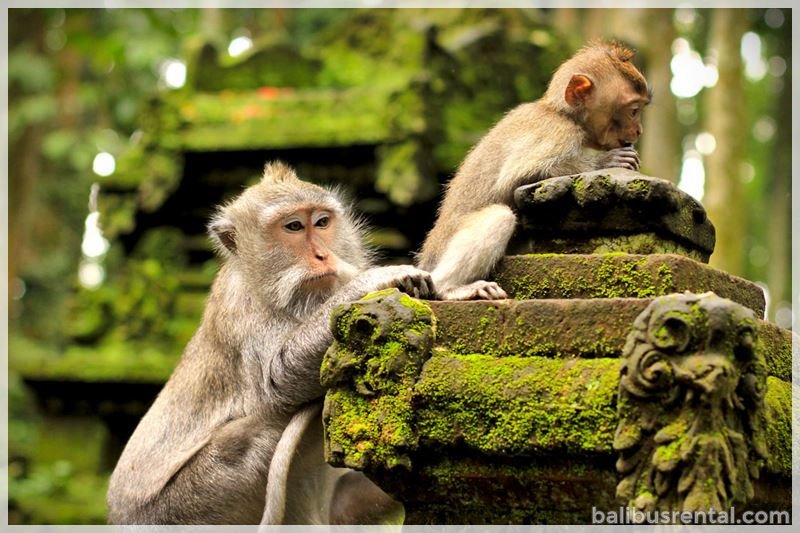
Sacred Monkey Forest Sanctuary: The entrance ticket provides access to the forest sanctuary, ancient temples, walking paths, and the natural habitat of the long-tailed macaques.
-
Ubud Art Market: There is no admission charge to enter the market. Visitors only pay for items they choose to purchase.
-
Ubud Temples: Some local temples charge a small contribution or entrance fee, and appropriate traditional clothing, including a sarong, may be required.
-
Museums: Museum admission prices depend on the collection, exhibitions, and visitor category.
-
Traditional Dance Performances: Evening performances at Ubud Palace and Pura Dalem generally require separate tickets.
Important Note: The prices listed above are approximate reference prices and may change depending on local management policies, seasonal updates, and ticket categories. It is advisable to confirm the latest rates directly with each attraction before visiting.
Overall, Ubud is an excellent destination for budget-conscious travellers because many of its streets, traditional village areas, local markets, and cultural surroundings can be explored free of charge. Visitors only need to pay separate entrance fees when visiting specific attractions, museums, temples, or cultural performances.