

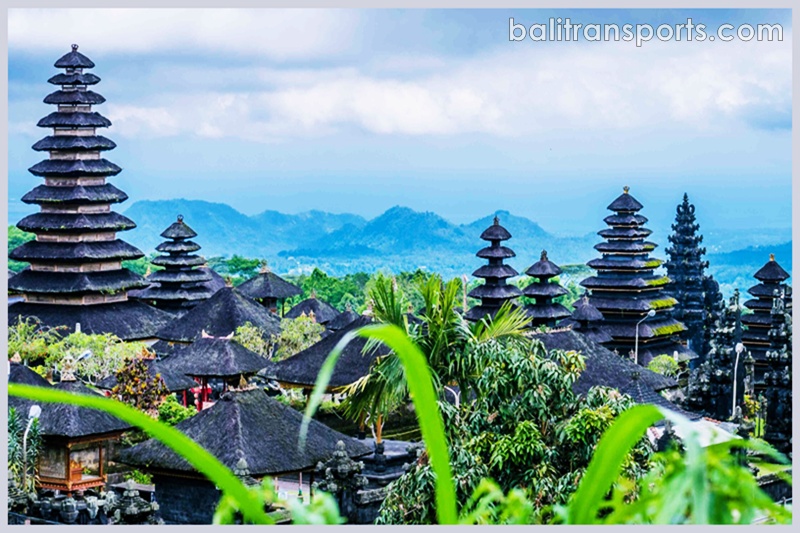
Besakih Mother Temple Bali – The Largest and Holiest Hindu Temple in Bali
Besakih Mother Temple (Pura Besakih) is the largest, most important, and holiest Hindu temple complex in Bali, Indonesia. Located on the southwestern slopes of Mount Agung, in Besakih Village, Rendang District, Karangasem Regency, this magnificent religious landmark is widely known as the Mother Temple of Bali. It is the spiritual centre of Balinese Hinduism and an important destination for visitors interested in Balinese culture, traditional architecture, religion, and history.
Situated approximately 1,000 metres above sea level, Besakih Temple occupies an impressive hillside location overlooking the surrounding mountains, valleys, forests, and distant coastal landscapes. The temple complex faces Mount Agung, Bali’s highest volcano, which is considered sacred by the Balinese Hindu community and traditionally regarded as the dwelling place of the gods.
With its impressive stone gateways, multi-tiered shrines, traditional pagoda-like meru towers, and beautifully arranged temple courtyards, Besakih Temple is one of the most spectacular cultural attractions in East Bali. Its elevated location also provides visitors with breathtaking views of the surrounding countryside, making it an excellent destination for sightseeing and cultural exploration.
History and Religious Significance of Besakih Temple
Besakih Temple has a long history and plays a central role in the spiritual life of Balinese Hindus. It is believed to have existed for many centuries, with its religious importance developing over time as Hindu traditions became established throughout Bali.
The name Besakih is associated with the Sanskrit word Wasuki, referring to a sacred dragon deity in Hindu mythology. Local traditions also connect the temple with the spiritual protection of the island and the sacred power of Mount Agung.
For Balinese Hindus, Besakih is much more than a tourist attraction. It is a major centre of worship where important religious ceremonies, festivals, and purification rituals take place throughout the year. Thousands of Hindu devotees visit the temple to pray, make offerings, and participate in traditional ceremonies.
The temple is also closely connected with the Balinese concept of harmony between humans, nature, and the divine. Its location on the slopes of Mount Agung reflects the island’s traditional spiritual understanding of mountains as sacred places.
Besakih Temple Complex – 23 Separate Temples
One of the most remarkable features of Besakih Mother Temple is its extensive collection of interconnected temples. The complex consists of approximately 23 separate but related temples, arranged across the hillside and connected through traditional pathways, staircases, and courtyards.
Each temple has its own religious purpose, historical background, and architectural features. Together, they form the most important Hindu temple complex in Bali.
The largest and most significant temple within the complex is Pura Penataran Agung, which serves as the principal centre of worship. Other important temples are positioned around it, representing different aspects of Hindu religious belief and the spiritual relationship between the universe, the gods, and human life.
Visitors exploring Besakih can discover traditional Balinese temple architecture, including:
-
Candi Bentar: Traditional split gateways commonly found at the entrances of Balinese temples.
-
Kori Agung: Elaborately decorated gateways leading into the inner temple courtyards.
-
Meru Shrines: Multi-tiered pagoda-like structures dedicated to Hindu deities and ancestral spirits.
-
Bale: Traditional open-sided pavilions used for religious ceremonies and community activities.
-
Stone Shrines: Sacred structures used for worship, offerings, and religious symbolism.
The arrangement of these temples reflects the complex spiritual traditions of Balinese Hinduism and makes Besakih one of the most fascinating places to explore in Bali.
Pura Penataran Agung – The Main Temple of Besakih
Pura Penataran Agung is the largest and most important temple in the Besakih complex. Located in the central area, it serves as the principal place of worship for many major Hindu ceremonies and religious celebrations.
The temple is built on several ascending terraces, with its architecture following the natural slope of the mountain. Visitors enter through an imposing Candi Bentar split gateway before reaching the more elaborate Kori Agung, which provides access to the inner courtyard.
The temple’s layout represents the different levels of the universe according to Balinese Hindu cosmology. Its various courtyards contain shrines, pavilions, and sacred structures dedicated to different manifestations of the divine.
The impressive architecture, traditional stone carvings, and magnificent mountain backdrop make Pura Penataran Agung one of the most photographed sections of Besakih Mother Temple.
Important Temples Within the Besakih Complex
Besides Pura Penataran Agung, several other temples have important religious and historical significance. Each contributes to the overall spiritual structure of the Besakih complex.
1. Pura Batu Madeg
Located on the northern side of the main temple complex, Pura Batu Madeg is traditionally associated with Lord Vishnu, one of the principal deities in Hinduism.
The name Batu Madeg is often interpreted as a standing stone. One of its most important structures is the Meru Tumpang Sebelas, an eleven-tiered shrine associated with Vishnu.
The temple also features the Pesamuan shrine, a distinctive structure with rows of pillars symbolising the relationship between divine power and the universe.
2. Pura Kiduling Kreteg
Pura Kiduling Kreteg is situated to the south of Pura Penataran Agung and is traditionally associated with Lord Brahma, the Hindu god of creation.
This temple forms part of the directional arrangement of important temples surrounding the main Besakih sanctuary. Its religious significance is connected with the balance of divine forces represented throughout the temple complex.
3. Pura Gelap
Pura Gelap is located on the eastern side of the main temple complex and is associated with Lord Ishwara, traditionally connected with the eastern direction.
The temple is part of the four directional sanctuaries that represent different manifestations of divine power. Its name, Gelap, means lightning, adding another interesting element to its religious symbolism.
4. Pura Ulun Kulkul
Located on the western side of the main complex, Pura Ulun Kulkul is traditionally associated with Lord Mahadeva.
One of its most distinctive features is the sacred kulkul, a traditional Balinese wooden slit gong used to communicate important messages. In traditional Balinese villages, kulkul instruments are sounded to summon community members, announce ceremonies, or communicate special events.
The sacred kulkul at this temple has particular religious importance and is considered one of the most significant examples in Bali.
5. Pura Pangubengan
Pura Pangubengan is situated on higher ground, closer to Mount Agung than the main Pura Penataran Agung. It is known for its peaceful atmosphere and beautiful views of the surrounding mountains and countryside.
Reaching this temple requires an uphill walk of approximately 30 minutes from the main temple area, depending on the route and walking pace.
Because of its elevated position, Pura Pangubengan offers an excellent opportunity to appreciate the natural scenery around Besakih and experience another important part of the temple complex.
6. Pura Batu Tirtha
Pura Batu Tirtha is located near Pura Pangubengan. This sacred site is associated with holy water used in important religious ceremonies, including major temple celebrations and rituals involving Besakih and surrounding traditional villages.
Holy water, known as tirta in Balinese Hinduism, plays an essential role in purification ceremonies, prayers, and religious offerings.
7. Pura Peninjoan
Pura Peninjoan is located on a small hill northwest of Pura Batu Madeg. It is particularly appreciated for its elevated position and panoramic views.
From this location, visitors can enjoy impressive views across the Besakih temple complex, including the numerous shrines and traditional temple roofs of Pura Penataran Agung. On clear days, the surrounding countryside and distant southern coastline may also be visible.
8. Pura Merajan Selonding
Pura Merajan Selonding is located near Pura Ulun Kulkul. The temple has historical importance because of its association with ancient inscriptions and traditional Balinese musical instruments.
The temple is connected with the ancient Selonding gamelan, a traditional Balinese bronze musical ensemble with an important place in local religious and cultural traditions.
9. Pura Basukian Puseh Jagat
Pura Basukian Puseh Jagat is situated southeast of Pura Penataran Agung and is considered one of the foundational sacred temples within the Besakih complex.
Local religious traditions connect this temple with the early development of Hindu worship in Bali. It is an important spiritual location for Balinese Hindus and contributes to the historical significance of Besakih.
10. Pura Goa and Pura Jenggala
Pura Goa is located on the eastern side of the main temple area and is associated with the dragon deity in Balinese Hindu mythology. The surrounding landscape includes a river valley and a natural cave area.
Pura Jenggala, also known locally as Pura Hyang Haluh, is situated southwest of Pura Penataran Agung. Nearby is Setra Agung, a traditional burial ground associated with sacred stone statues and mythical Garuda imagery.
These smaller temples and sacred sites demonstrate the extensive religious heritage of the Besakih complex.
Mount Agung – The Sacred Mountain Behind Besakih Temple
The magnificent setting of Besakih Temple is closely connected with Mount Agung, the highest mountain in Bali, rising approximately 3,031 metres above sea level.
For Balinese Hindus, Mount Agung is one of the most sacred places on the island. It is traditionally regarded as the spiritual centre of Bali and associated with the dwelling place of the gods.
Besakih Temple was established on the mountain’s slopes, reflecting the important relationship between religion and nature in Balinese culture.
The mountain also provides a dramatic backdrop for the temple complex. On clear mornings, visitors may enjoy spectacular views of Mount Agung rising above the surrounding forests and traditional villages.
Weather conditions can change quickly in this mountainous region, so the mountain is not always visible. Early morning visits generally offer a better opportunity to enjoy clear mountain views.
What to See and Do at Besakih Mother Temple
Besakih offers more than beautiful temple architecture. It is an active religious centre where visitors can learn about Balinese Hindu traditions and appreciate the island’s cultural heritage.
Some of the highlights include:
1. Explore the Main Temple Courtyards
Walk through the impressive entrance gateways and discover the different courtyards of Pura Penataran Agung. Observe the traditional stone architecture, multi-tiered meru shrines, and religious decorations.
2. Enjoy the Mountain Scenery
The elevated location offers beautiful views of Mount Agung, green hillsides, valleys, and surrounding villages. Bring a camera to capture the landscape and temple architecture.
3. Learn About Balinese Hindu Culture
Besakih is an excellent destination to understand the religious traditions of Bali. You may see devotees carrying offerings, praying, and participating in traditional ceremonies.
4. Discover the Different Temple Structures
Explore the interconnected temples and learn about their different religious functions, architectural styles, and symbolic meanings.
5. Experience Traditional Religious Ceremonies
Throughout the year, Besakih hosts important Hindu celebrations. One of the major events is the annual Piodalan ceremony, marking the anniversary of a temple according to the Balinese calendar. Major celebrations such as the Eka Dasa Rudra are held on special occasions and involve elaborate religious rituals.
Visitors should remember that Besakih is an active place of worship, so respectful behaviour is essential.
Best Time to Visit Besakih Mother Temple
The best time to visit Besakih Temple is generally in the morning, when the weather is often cooler and the surrounding mountain scenery may be clearer.
Bali has two main seasons:
-
Dry Season (April–October): Generally offers better conditions for sightseeing, walking around the temple complex, and enjoying views of Mount Agung.
-
Rainy Season (November–March): The surrounding landscape becomes greener, but rainfall, mist, and cloudy conditions can affect visibility.
For the most enjoyable experience, consider arriving between 8:00 AM and 10:00 AM. This allows you to explore the temple before the midday heat and larger tour groups.
Temple ceremonies may take place throughout the year, so access to certain courtyards can occasionally be restricted.
How to Get to Besakih Mother Temple Bali
Besakih Mother Temple is located in Besakih Village, Rendang District, Karangasem Regency, in eastern Bali.
The temple is accessible by private car, motorbike, taxi, or organised Bali sightseeing tour. Since public transportation options are limited in this area, hiring a private vehicle with a driver is a convenient choice, particularly for families and groups.
Approximate driving times from popular tourist destinations include:
| Starting location | Estimated driving time |
|---|---|
| Ubud | 1.5–2 hours |
| Sanur | 1.5–2 hours |
| Kuta | 2–2.5 hours |
| Seminyak | 2–2.5 hours |
| Canggu | 2–2.5 hours |
| Nusa Dua | 2.5–3 hours |
| Candidasa | 1–1.5 hours |
| Amed | 1.5–2 hours |
Travel times are approximate and depend on traffic, road conditions, and the starting point.
Recommended Bali Tour Combining Besakih Temple
Besakih Temple is an excellent destination to include in an East Bali sightseeing itinerary. Rather than visiting only one attraction, you can combine the temple with several nearby cultural and historical landmarks.
Some recommended destinations include:
-
Tirta Gangga Water Palace: A beautiful former royal water palace featuring ornamental ponds, fountains, stepping stones, and traditional Balinese architecture.
-
Taman Ujung Water Palace: A historic royal garden with large water ponds, elegant bridges, and scenic mountain views.
-
Kerta Gosa: A historical royal courthouse famous for its traditional Balinese ceiling paintings.
-
Penglipuran Traditional Village: A well-preserved traditional Balinese village known for its beautiful architecture and clean surroundings.
-
Kintamani and Mount Batur: A scenic mountain destination offering views of Mount Batur and Lake Batur.
These attractions can be arranged into a full-day private Bali tour depending on your hotel location and preferred itinerary.
Why Visit Besakih Mother Temple?
Besakih is an essential destination for anyone who wants to discover the authentic cultural and spiritual side of Bali. Unlike many attractions developed primarily for tourism, this magnificent temple complex remains an important centre of Hindu worship for local communities.
Its combination of religious significance, ancient architecture, traditional ceremonies, and spectacular mountain scenery makes it one of the most memorable places to visit in eastern Bali.
Whether you are interested in Balinese history, Hindu culture, photography, or sightseeing, a visit to Besakih Mother Temple provides a deeper understanding of the island’s traditions and spiritual identity.
Besakih Great Temple Entrance Fee (Pura Besakih), Bali
The entrance fee for Besakih Great Temple (Pura Besakih), also known as the Mother Temple of Bali, varies depending on whether visitors are international tourists or Indonesian residents, as well as their age category.
The admission ticket generally includes several visitor services designed to make exploring the extensive temple complex more comfortable and informative. These include the required sarong and sash, assistance from a local guide, and a one-way electric shuttle transfer from the Manik Mas visitor terminal to the main temple area.
Besakih Temple Ticket Prices
International Visitors (Foreign Tourists)
-
Adults: IDR 150,000 per person
-
Children: IDR 80,000 per person
Domestic Visitors (Indonesian Citizens)
-
Adults: IDR 80,000 per person
-
Children: IDR 40,000 per person
What Is Included in the Besakih Temple Entrance Ticket?
The standard admission ticket includes several facilities and services to help visitors enjoy their visit to the temple complex.
-
Sarong and Sash Rental: Visitors receive a traditional Balinese sarong and sash, which must be worn when entering the designated sacred temple areas as a sign of respect.
-
Local Guide Service: A local guide is assigned to accompany visitors and introduce the history, religious significance, temple architecture, and cultural traditions of Besakih.
-
One-Way Electric Shuttle: An electric shuttle service is provided from the Manik Mas visitor terminal to the main temple area, making the uphill journey more convenient.
Visitors can walk back downhill to the parking and terminal area without additional payment. Alternatively, those who prefer not to walk can arrange a return electric shuttle for an additional IDR 20,000 per person, according to the stated rate.
Additional Costs at Besakih Mother Temple
Besides the entrance ticket, visitors may need to prepare a small amount of extra money for parking and optional services.
Parking Fees:
-
Motorcycles: IDR 5,000
-
Private cars: IDR 10,000
-
Tourist buses: IDR 50,000
Optional Guide Tips:
Although guide tips are not compulsory, visitors may show their appreciation for the local guide’s assistance. A customary tip is approximately IDR 40,000–50,000, depending on the quality of service and personal preference.
Important Information Before Visiting Besakih Temple
-
Wear modest clothing when entering the temple complex.
-
A sarong and sash are required when entering designated sacred areas.
-
Respect worshippers and ongoing religious ceremonies.
-
Do not enter restricted areas without permission.
-
Avoid loud behaviour and inappropriate photography.
-
Women who are menstruating are traditionally asked not to enter Balinese Hindu temple grounds.
-
Follow the instructions of temple staff and local guides.
-
Ticket prices, shuttle arrangements, and included services may change, so confirm the latest information before your visit.
Note: The prices above are based on the supplied rates and should be confirmed with the official Besakih Temple management before travelling.